Vacation Rental Investing on the Emerald Coast
A Complete Guide
How to evaluate the market, the property, and the rental business before you invest in Destin, Miramar Beach, Okaloosa Island, Scenic 30A or Panama City Beach.
By John Moran | Smart Beach Investor
Updated September 2026
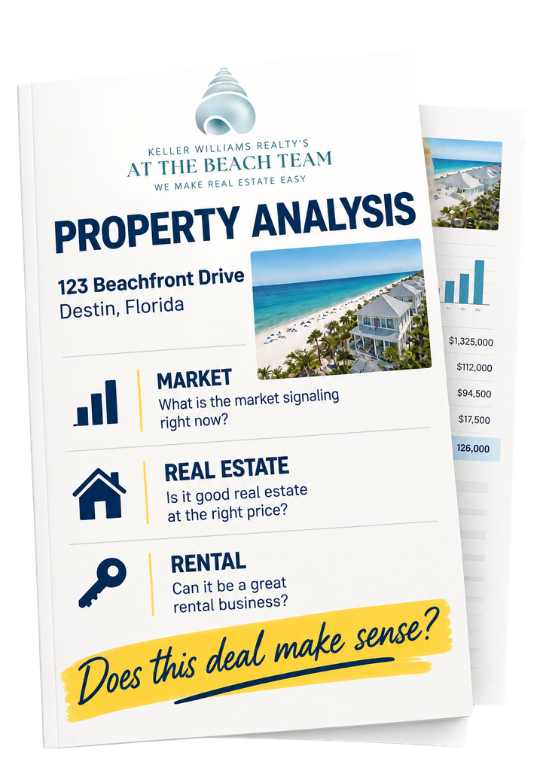
Built from three perspectives.
Vacation-rental investing isn’t just about finding a property with impressive rental projections. You have to understand the market, evaluate the real estate, and determine whether the property can actually compete as a rental.
MARKET
Smart Beach Investor
What is the market telling us?
PROPERTY
At The Beach Team
Is it good real estate at the right price?
RENTAL
Beach Stays Vacations
Can it be a great rental business?
WHEN ALL THREE LINE UP
That’s When The Investment
Gets Interesting.
ALREADY LOOKING AT A PROPERTY?
Let’s Look at the Deal.
Have a property, condo building or neighborhood you’re considering?
Send it to us. We’ll help you look at the market, the real estate and the rental opportunity—the same three perspectives we use throughout this guide.
YOUR ROADMAP
In This Guide
From choosing the right market to analyzing rental income, financing, risk and resale, here’s what we’ll cover.
GETTING STARTED
01 — Where Should I Buy a Vacation Rental?
02 — What Are You Actually Trying to Accomplish?
03 — How Vacation Rental Real Estate Makes Money
CHOOSING THE INVESTMENT
04 — Understanding the Emerald Coast Markets
05 — What Makes a Great Vacation Rental?
06 — Condo vs. House
07 — Florida Condo Risk: SIRS, Reserves & Assessments
ANALYZING THE DEAL
08 — How to Analyze the Numbers
09 — Don’t Be Fooled by Rental Projections
10 — What Is a Good Return?
11 — Financing Your Investment
12 — Taxes & Vacation Rentals
OPERATING THE INVESTMENT
13 — Property Management
14 — Improving Rental Performance
15 — Understanding the Risks
BUYING, OWNING & SELLING
16 — Due Diligence
17 — What Is the Property Actually Worth?
18 — Your Exit Strategy
19 — The Emerald Coast Investment Scorecard
20 — The Biggest Mistakes Vacation Rental Investors Make
01 / THINK LIKE AN INVESTOR
Where Should I Buy a Vacation Rental?
Where should I buy a vacation rental on the Emerald Coast?”
It’s one of the first questions investors ask me.
Destin? 30A? Panama City Beach? A condo? A house? Gulf-front? Walking distance to the beach?
But there’s a problem with the question.
“Where should I buy?” isn’t the first question an investor should be asking.
Start With the Goal, Not the Location
Before deciding where to buy, decide what you want the property to do for you.
Are you looking for:
- Strong current cash flow?
- Long-term appreciation?
- A vacation home your family can also enjoy?
- An asset renters can help you pay off over the next 15 or 20 years?
- A property you can improve and create additional value?
- Some combination of the above?
Those goals don’t necessarily lead to the same property.
A Gulf-front condo in Destin may make sense for one investor. A house near the beach on 30A may make sense for another. Someone else may find the opportunity they’re looking for in Panama City Beach.
There isn’t a universally “best” place to buy. There is a better or worse fit for what you’re trying to accomplish.
WATCH • SHORT VIDEO
Where Should I Buy a Vacation Rental?
THE MARKET
There Is No Single Emerald Coast Real Estate Market
I see a lot of investors make is treating the Emerald Coast as if it were one real estate market and that is a mistake.
Because it isn’t.
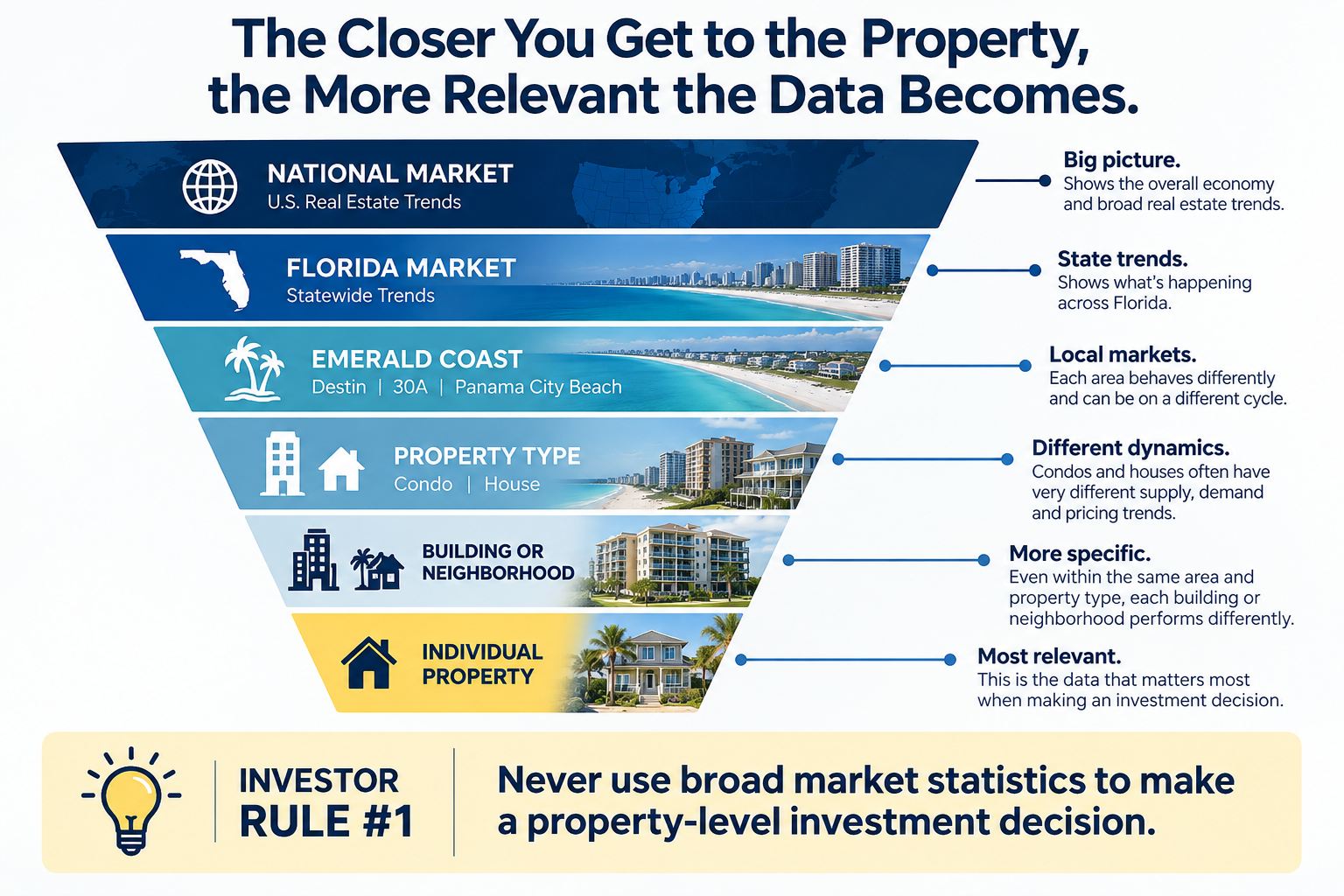
Destin can be be entirely differently from 30A. Condos and houses often behave differently. And even within the same market and property type, one condo building or neighborhood can perform very differently from another one.
That’s why broad market statistics can be useful for understanding direction—but dangerous when they’re used to make a decision about an individual property.
The closer you get to the property you’re considering, the more relevant the data becomes.
So Where Should You Buy?
Start with what you want the investment to accomplish. Then work backward to the market and property that give you the best chance of accomplishing it.
On the Emerald Coast, different markets tend to solve different problems.
Destin / Miramar Beach
Large vacation-rental market, broad selection of condos and homes, strong family demand and lots of comparable rental data.
Scenic 30A
Higher acquisition costs, stronger luxury and second-home component, limited supply in many locations and a different appreciation/rental equation.
Panama City Beach
Large condo inventory, often lower entry prices than 30A, substantial rental demand and opportunities where individual buildings have become mispriced.
Okaloosa Island
Smaller market with strong beach orientation, predominantly condos, and opportunities that can behave very differently building by building.
But don’t choose a market because somebody tells you it’s the “best.”
Choose the market that fits the job you need the property to do.
THE QUESTION TO ASK:
What am I trying to accomplish—and which market gives me the best opportunity to do it?
02 / GETTING STARTED
What Are You Actually Trying to Accomplish?
Most investors start with the property.
I think that’s backwards.
Before you decide what to buy, how much to spend or where to buy it, decide what you need the investment to accomplish.
Two properties can both be good investments—and be completely wrong for the same investor.
CASH FLOW
I want income now.
Rental income matters, but net income matters more. Purchase price, financing, HOA fees, insurance, taxes and operating expenses all affect what actually reaches your pocket.
LONG-TERM WEALTH
I want renters helping build my net worth.
A property doesn’t have to produce huge cash flow today to build wealth. Renters can help pay down your debt while you participate in potential long-term appreciation.
PERSONAL USE
I want an investment my family can enjoy.
There’s nothing wrong with buying partly for lifestyle. Just recognize that the weeks you most want to use the property may also be some of its highest-income rental weeks.
VALUE CREATION
I want an opportunity I can improve.
Sometimes the opportunity isn’t what the property earns today. Renovation, better management, improved marketing or repositioning can change both rental performance and property value.
You Can Want All Four. But One Should Come First.
The problem comes when investors try to maximize all four simultaneously. A property optimized for personal use isn’t necessarily the best cash-flow property. A value-add opportunity may require more risk and work. A long-term wealth play may not generate the highest income today.
RANK YOUR PRIORITIES
1. ______ 2. ______ 3. ______ 4. ______
Cash Flow · Long-Term Wealth · Personal Use · Value Creation
If you can’t rank these, you’re not ready to choose the property.
03 / GETTING STARTED
How Vacation Rentals Make Money
A lot of investors look at a vacation rental and ask one question:
“How much will it cash flow?”
It matters. But cash flow is only one way real estate can make you money.
A vacation rental can potentially build wealth in four different ways. Understanding all four changes how you evaluate a deal.
01
CASH
FLOW
Income Today
Rental income remaining after the property’s operating expenses and debt service.
02
PRINCIPAL
PAYDOWN
Equity Building
Each mortgage payment can reduce what you owe. Your renters help pay down the debt while your equity grows.
03
LONG-TERM
APPRECIATION
Value Growth
If the property increases in value over time, that growth builds additional equity—and can become a major part of your return.
04
TAX
BENEFITS
Potential Tax Savings
Depreciation and other deductions may reduce taxable income and improve your after-tax return. Tax benefits vary by investor.
THE BIGGER PICTURE
Don’t Judge the Investment by Cash Flow Alone.
A property producing strong cash flow today may have limited appreciation potential. Another property may produce less cash flow but build more wealth through principal paydown and long-term appreciation.
Neither is automatically the better investment.
What matters is the total return relative to the money you invested and the risk you took.

04 / CHOOSING THE INVESTMENT
Understanding the Emerald Coast Markets
One of the biggest mistakes I see investors make is talking about the Emerald Coast as if it were one real estate market.
It isn’t.
Destin, Miramar Beach, 30A, Okaloosa Island and Panama City Beach may share the same coastline, but they don’t necessarily share the same buyers, price points, rental economics, inventory or market cycles.
And even within those markets, condos and houses can behave very differently.
Where you buy matters. But understanding the market you’re actually buying into matters more.
One Coast. Several Markets.
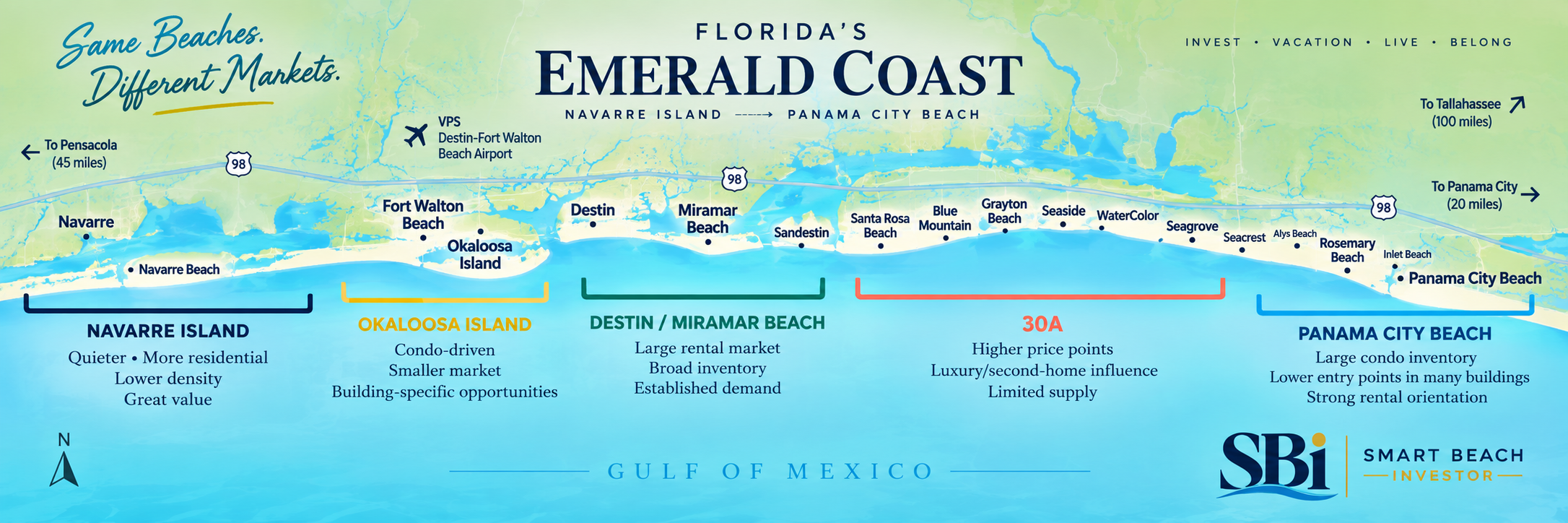
The differences don’t stop at the market level. Within each market, property type, neighborhood, condo building—and ultimately the individual property—can behave differently.
That’s why knowing that “30A is up” or “Destin is down” isn’t enough to make an investment decision.
THE INVESTOR’S VIEW
What Changes From Market to Market?
When you move from one Emerald Coast market to another, you’re not simply changing locations. You’re changing the economics of the investment.
Five things can change dramatically:
01
PRICE OF ENTRY
What does it cost to get into the market?
02
RENTAL DEMAND
Who rents here—and how strong is demand?
03
BUYER PROFILE
Who will compete with you today—and buy from you later?
04
SUPPLY & INVENTORY
How much competition exists for buyers and renters?
05
GROWTH POTENTIAL
What could drive—or limit—long-term value growth?

05 / CHOOSING THE INVESTMENT
What Makes a Great Vacation Rental?
A great piece of real estate isn’t necessarily a great vacation rental.
I’ve seen beautiful properties with incredible views struggle as rentals—and less impressive properties generate surprisingly strong revenue.
The difference often comes down to a simple question:
Why would a vacationer choose this property over all the other options?
When you buy a vacation rental, you’re buying real estate. But you’re also buying—or creating—a small hospitality business.
The property has to work for both.
THE RENTAL TEST
Give the Renter a Reason to Choose You.
Every successful vacation rental needs some combination of things that make it more attractive than its competition.
LOCATION
Make the trip easier.
Beach access, walkability, views, proximity to restaurants, attractions and convenience all influence demand.
CAPACITY
Fit the right group.
Bedrooms matter, but so do beds, bathrooms, gathering spaces, parking and how comfortably the property accommodates its target guest.
EXPERIENCE
Give a memory.
Pools, hot tubs, outdoor spaces, game rooms, bikes, golf carts and thoughtful amenities can separate one rental from dozens of similar properties.
PRESENTATION
Win the click.
Design, furnishings, photography, reviews and the listing itself determine whether renters notice the property—and choose it.
Know Who You’re Renting To.
Design for Your Ideal Renter.
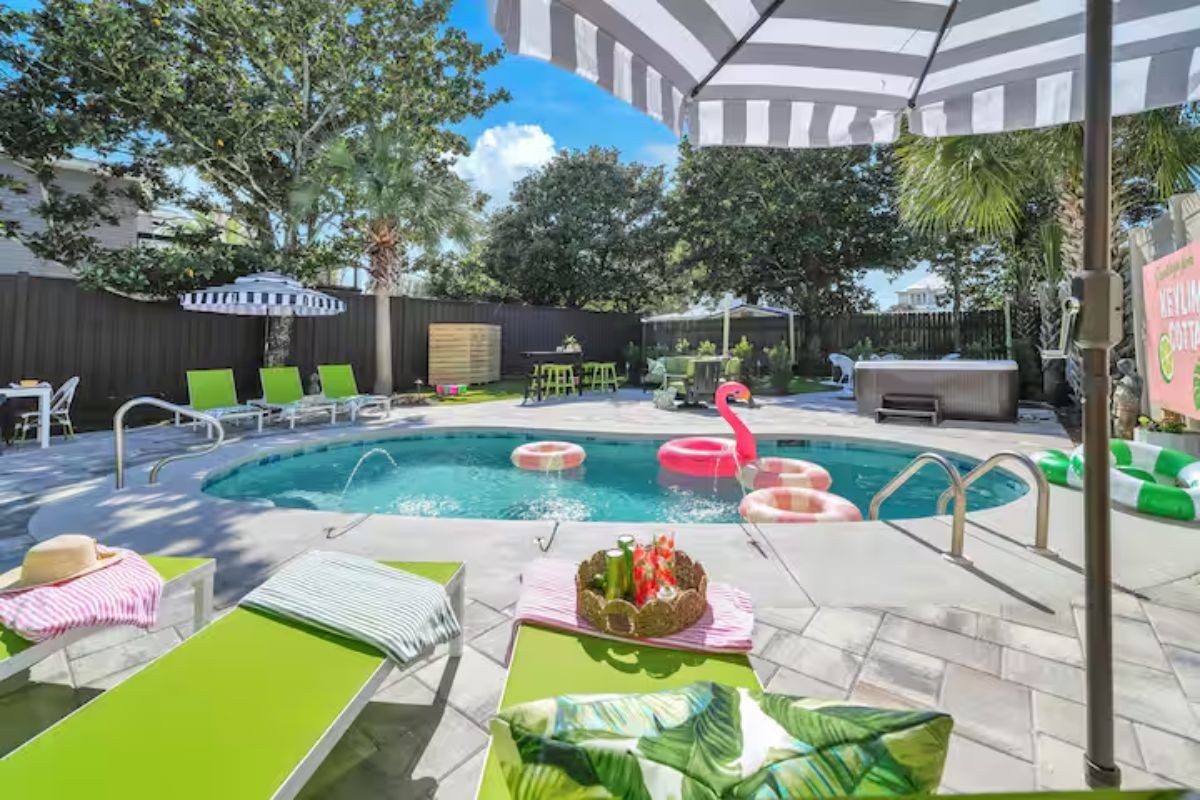
We designed Key Lime Cottage around families. Not “vacationers.” Families.
That distinction affects everything—from sleeping arrangements and outdoor amenities to the pool, games and even the small details kids remember.
You don’t need to appeal to everyone. You need to be unusually appealing to someone.

06 / CHOOSING THE INVESTMENT
Condo vs. House: Which Makes the Better Vacation Rental?
There isn’t a universal answer.
A condo can offer a lower price of entry, beachfront locations and resort amenities that would be extremely expensive to duplicate in a house.
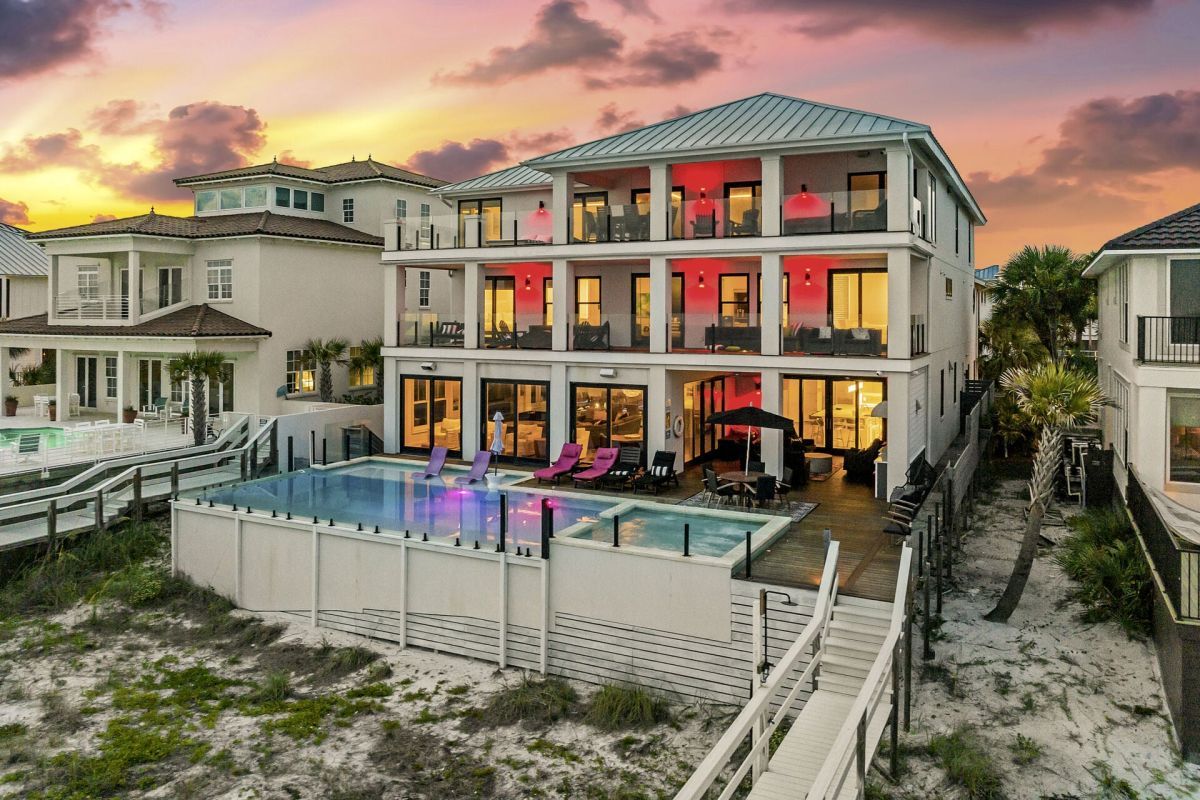
A house can offer privacy, more space, greater control and opportunities to create an experience renters can’t get from a typical condo.
The better investment isn’t determined by property type. It’s determined by what you get for the money—and what renters will pay for it.
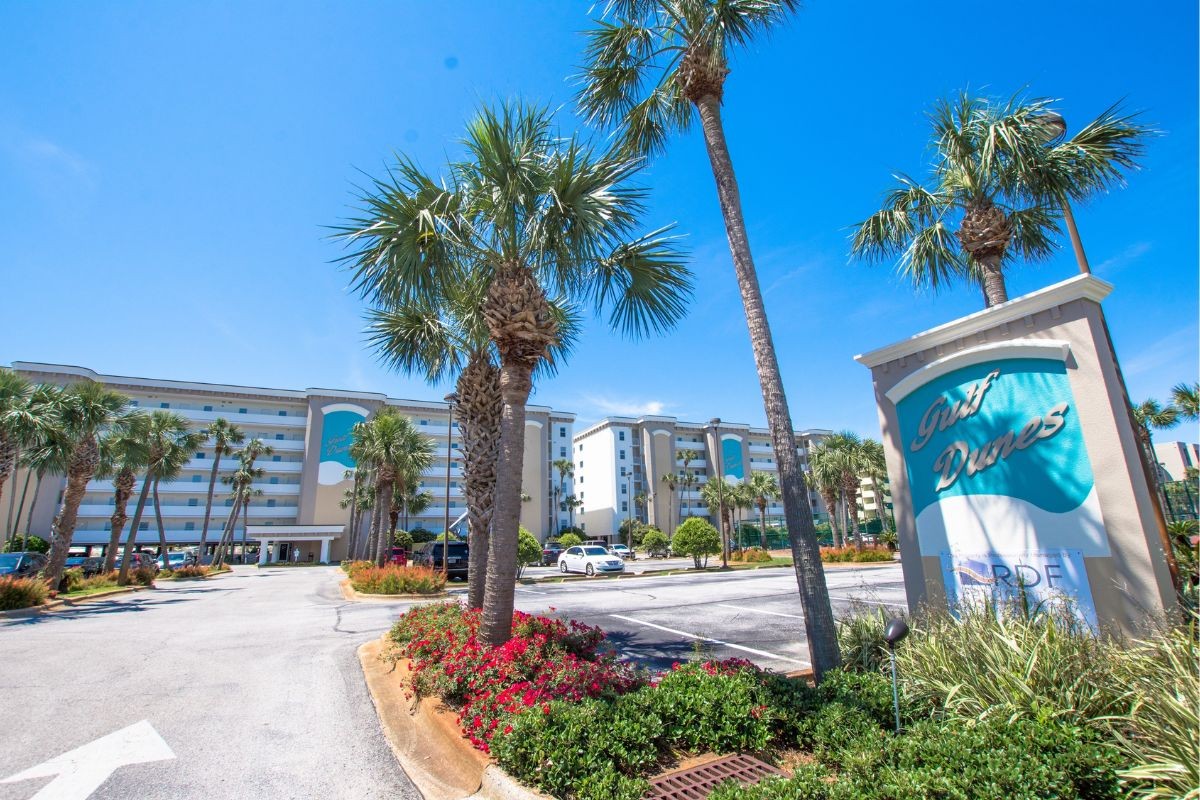
CONDO
You Share Amenities—and Decisions.
Potential Advantages
- Lower price of entry in many markets
- Gulf-front and beachfront options
- Pools, fitness centers and resort amenities
- Exterior maintenance handled by the association
- Often easier for an absentee owner
- Established rental history can make underwriting easier
Potential Trade-Offs
- HOA fees reduce cash flow
- Assessments can be substantial
- Less control over the building
- Rental restrictions can change
- Financing and insurance can depend on the entire association
- Your unit competes with similar units in the same building
HOUSE
More Control. More Responsibility.
Potential Advantages
- Greater control over the property
- Private pools and outdoor spaces
- More opportunities to differentiate
- Larger groups can produce higher rental revenue
- Land can contribute to long-term value
- Fewer association-related risks in many cases
Potential Trade-Offs
- Higher acquisition cost in many beach locations
- You own the maintenance problem
- Roof, pool, HVAC, landscaping and exterior repairs are yours
- Insurance can be expensive
- More moving parts to operate
- Location can matter enormously—a cheaper house farther from the beach isn’t necessarily a better deal
DON’T COMPARE PRICE ALONE
Compare What the Property Can Produce.
Suppose a $600,000 condo can generate $60,000 in annual rental revenue while an $850,000 house can generate $120,000.
The house costs substantially more—but that doesn’t automatically make it the worse investment.
Conversely, the condo isn’t automatically better because it’s cheaper.
Compare acquisition cost, operating expenses, rental potential, risk and the experience each property can offer the renter.

07 / CHOOSING THE INVESTMENT
Florida Condo Risk: SIRS, Reserves & Assessments
A Florida condo can look like an incredible deal on paper—and still be a terrible investment.
The unit itself may be beautiful. The rental numbers may work. The location may be perfect.
But when you buy a condo, you’re not just buying the unit. You’re buying into the financial and physical condition of the entire building.
That means an investor needs to understand more than the property.
You need to understand the association.
THE CONDO HEALTH CHECK
Three Things You Need to Understand Before You Buy
01
STRUCTURAL CONDITION
What does the building need?
Review required inspections and available engineering information. Deferred maintenance, concrete restoration, roofs, waterproofing and other major components can create substantial future costs.
02
RESERVES
Has the HOA saved enough?
A building can be structurally sound and still present financial risk. Understand the association’s reserves, reserve funding requirements and anticipated capital expenditures.
03
ASSESSMENTS
What could owners be asked to pay?
Current and potential special assessments can dramatically change the economics of a purchase. Find out what’s already been approved—and what may be coming.
CHEAP FOR A REASON?
Distress Can Create Opportunity.
This is important because I don’t want the guide teaching people simply to avoid troubled condos. That’s too simplistic—and it misses one of your strongest investor insights.
Inspection issues, reserve shortages and assessments can scare buyers away. Financing may become more difficult, and sellers may become more motivated.
That creates risk. But sometimes it also creates opportunity.
A well-capitalized buyer who understands the building’s problems, estimates the true cost and buys at the right price may find an opportunity other buyers won’t touch.
The mistake isn’t buying a building with problems.
The mistake is buying without understanding what those problems could cost you.
Distress Can Create Opportunity
BEFORE YOU BUY A FLORIDA CONDO, ASK FOR:
☐ Milestone/structural inspection information, when applicable
☐ SIRS/reserve information, when applicable
☐ Current association budget and financials
☐ Current reserve balances
☐ Pending or approved special assessments
☐ Recent association meeting minutes
☐ Insurance information
☐ Pending major repair projects
☐ Rental restrictions
☐ Any issues that could affect financing
Requirements vary by building and circumstance. Your agent, lender, association, inspector and appropriate legal/tax professionals should help evaluate the specific property.

Ready to Go Deeper?
You now know how to define your investment goal, choose the right Emerald Coast market, evaluate what renters actually want, compare condos with houses, and investigate the risks that can come with a Florida condo.
But choosing the property is only the beginning.
The next question is whether the investment actually works.
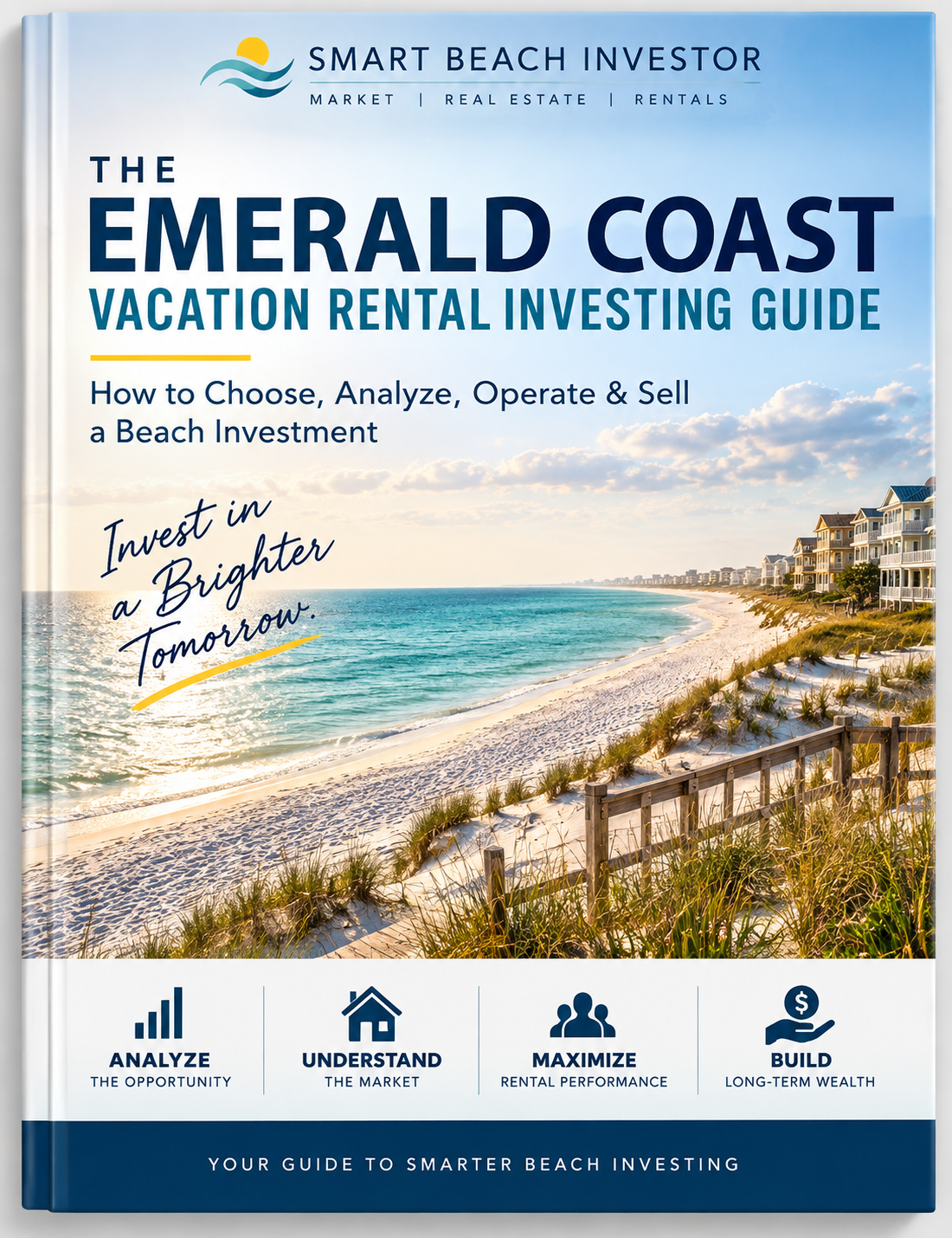
THE COMPLETE SMART BEACH INVESTOR GUIDE
Take the Complete Guide With You.
Continue with all 20 chapters—including the numbers, rental projections, financing, taxes, management, due diligence, valuation and exit strategy.

Free. Enter your email and we’ll send you the complete PDF.
INSIDE THE COMPLETE GUIDE.
✓ Choosing the right market
✓ What is a great vacation rental
✓ Condos vs. houses
✓ Florida condo risks
✓ How to analyze the numbers
✓ Rental projections & returns
✓ Financing, taxes & depreciation
✓ Property management
✓ Improving rental performance
✓ Due diligence & valuation
✓ Exit strategy
✓ And much more…
ALREADY HAVE A PROPERTY IN MIND?
Let’s Look at the Deal.
Have a property, condo building or neighborhood you’re considering?
Send it to us. We’ll help you look at the market, the real estate and the rental opportunity—the same three perspectives we use throughout this guide.